In today’s fast-moving digital landscape, data has become a critical asset for organizations across every industry. It helps businesses make more objective decisions, identify patterns, improve services, and support daily operations. To manage and process this data effectively, companies typically rely on two common infrastructure approaches: Data Centers and Cloud Computing.
At Digital Edge Indonesia, we understand that navigating these technology choices can be complex. Choosing the right IT infrastructure can significantly affect your business performance, security, scalability, and long-term costs.
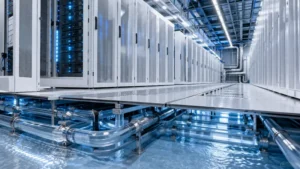
A Data Center is a physical facility designed to house critical computing infrastructure, including servers, storage systems, and networking equipment. It provides a centralized environment for processing, organizing, storing, and distributing large volumes of data, including Big Data workloads, with greater customization and tighter operational control.
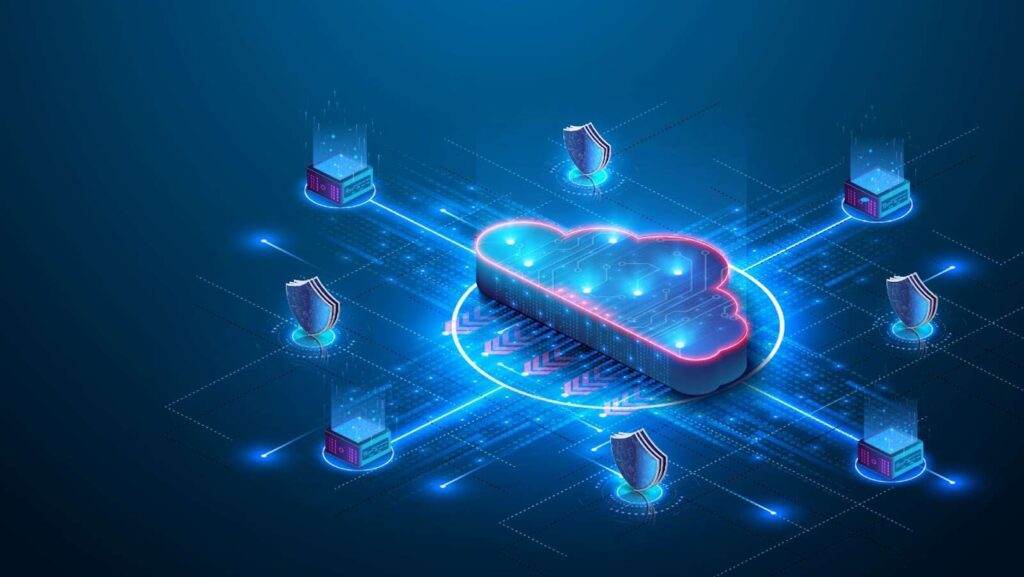
Cloud Computing, by contrast, is a more virtualized approach to IT infrastructure. It delivers computing resources over the internet, allowing businesses to access processing power, storage, and applications remotely. While cloud services may seem fundamentally different, they are closely connected to data centers in practice, since many cloud platforms run on sophisticated physical data center infrastructure.
In this article, we break down the differences between Data Centers and Cloud Computing, along with their advantages, disadvantages, and ideal use cases, so you can determine which solution best fits your business needs.
Key topics we will cover include:
- The fundamental characteristics of data centers
- How cloud computing complements traditional data center infrastructure
- Colocation options and their benefits
- How to choose the right solution for your specific business requirements
What Is a Data Center?
At its core, a Data Center is a purpose-built facility that serves as the central nervous system of an organization’s digital infrastructure. These high-tech environments are carefully engineered to house, power, cool, and protect the computing equipment that drives modern business operations.
A data center enables organizations to process, organize, store, and distribute data at scale. Compared with more abstract infrastructure models, it offers broader customization, direct oversight, and stronger control over security and performance.
The Physical Backbone of Digital Operations
A Data Center is made up of several essential components:
- Servers: The workhorses of digital infrastructure, responsible for processing, storing, and transmitting large amounts of data. Modern servers can support high-performance workloads, including AI and machine learning.
- Storage Systems: These range from traditional hard drives to solid-state drives (SSDs) and advanced storage area networks (SANs), enabling reliable, large-scale data storage with fast access speeds.
- Networking Equipment: Switches, routers, and other networking hardware ensure smooth communication within the data center and with external networks.
- Power Infrastructure: Redundant power systems, such as uninterruptible power supplies (UPS), backup generators, and power distribution units, help ensure continuous uptime.
- Cooling Systems: Precision cooling technologies maintain optimal operating temperatures, prevent overheating, and extend hardware lifespan.
- Experienced IT Personnel: Running a data center effectively usually requires skilled internal teams with expertise in infrastructure management, networking, security, and operations.
What Is Cloud Computing?
Cloud Computing refers to a model of delivering computing services over the internet. Instead of owning and maintaining physical infrastructure, businesses can access shared or dedicated computing resources remotely through a cloud provider.
Although cloud services are still supported by physical infrastructure in data centers, most cloud users do not interact with that physical layer directly. Instead, they consume computing resources as an on-demand service through the internet.
The Core Concept of Cloud Computing
Unlike traditional computing models that rely on on-premises servers or company-owned hardware, cloud computing allows users to access applications, data, and computing power from remote infrastructure. This fundamentally changes how organizations manage digital resources by offering greater flexibility, speed, and operational efficiency.
How Cloud Computing Works
The core idea behind cloud computing is simple but powerful: instead of building and maintaining a physical Data Center, businesses can consume computing resources remotely and pay only for what they use.
This model reduces the need for large upfront hardware investments and minimizes the burden of infrastructure maintenance. Compared with operating a data center directly, cloud environments are generally easier to deploy and manage.
Types of Cloud Services
Cloud Computing typically comes in three main service models:
- Infrastructure as a Service (IaaS)
Provides virtualized computing resources over the internet, including virtual machines, storage, and networking.
Example: Amazon Web Services (AWS) EC2 and Microsoft Azure Virtual Machines
- Platform as a Service (PaaS)
Provides a complete cloud-based environment for application development, testing, and deployment.
Example: Google App Engine and Heroku
- Software as a Service (SaaS)
Delivers software applications over the internet, usually through a web browser, without local installation.
Example: Google Workspace, Salesforce, and Microsoft 365
Data Center vs Cloud: Key Differences
Understanding the differences between Data Centers and Cloud Computing is essential when evaluating infrastructure strategies. While both can support data processing, storage, and distribution, they differ significantly in ownership, control, cost structure, scalability, and security.
Ownership and Control
Data Center
- Physical infrastructure is owned or leased by the organization
- Direct control over hardware and the operating environment
- Full visibility into infrastructure management
- Greater flexibility for customization and specialized configurations
Cloud Computing
- Infrastructure is managed by a third-party provider
- Limited physical control, but broad control through software interfaces
- Provider handles hardware maintenance, upgrades, and availability
- Resources are accessed remotely over the internet
Performance Considerations
Data Center
- More consistent and predictable performance
- Direct access to hardware can reduce latency
- Easier to optimize for specialized workloads
- Often better suited for high-performance and real-time applications
Cloud Computing
- Performance may vary depending on:
- Internet connectivity
- Shared resource allocation
- Geographic distance from the provider’s data center
- May introduce latency for data-intensive or performance-sensitive applications
Scalability
Data Center
- Scaling typically requires:
- Purchasing new hardware
- Installing additional infrastructure
- Allocating time, budget, and planning
- Capacity expansion can be slower and more capital-intensive
Cloud Computing
- Resources can scale quickly and elastically
- Supports rapid provisioning and deprovisioning
- Pay-as-you-go model helps match costs with actual demand
- Well suited to changing or unpredictable workloads
Security
Data Center
- Greater direct control over physical and operational security
- Security policies can be customized to internal requirements
- Lower reliance on external vendors
- Often preferred for organizations with highly sensitive data
Cloud Computing
- Security is managed through a shared responsibility model
- Providers often offer advanced security tools, encryption, and threat detection
- Security posture depends partly on the provider’s standards and partly on the customer’s configuration
- Some businesses may have concerns about multi-tenant environments
Comprehensive Comparison Table
| Characteristic | Data Center | Cloud Computing |
|---|---|---|
| Resource Type | Physical infrastructure | Virtualized resources |
| Ownership | Owned or leased by the organization | Managed by third-party provider |
| Control | Direct hardware and environment control | Managed through provider interfaces |
| Performance | Consistent and predictable | Can vary with network conditions |
| Scalability | Requires physical expansion | Instant and elastic scaling |
| Cost Model | Capital expenditure (CAPEX) | Operating expenditure (OPEX) |
| Operations | Requires experienced in-house IT staff | Easier to operate, provider-managed |
| Security | Highly customizable and directly controlled | Shared responsibility model |
| Flexibility | Fixed infrastructure | Highly adaptive and on-demand |
Advantages and Disadvantages of Data Centers and Cloud
To make infrastructure decisions easier, it helps to compare both options from a practical business perspective.
Security
From a security standpoint, Data Centers are often seen as stronger when a business requires complete control. Since the organization builds, manages, and operates the environment internally or through tightly controlled colocation arrangements, the risk of unauthorized access can be reduced through strict physical and procedural oversight.
With Cloud Computing, businesses rely on a third-party provider. This does not automatically mean cloud is insecure, but it does mean the level of security depends heavily on the provider’s capabilities, controls, and compliance posture, as well as the customer’s own cloud configuration practices.
Cost
If you compare initial spending side by side, cloud is usually more affordable upfront because it avoids major capital investment. Businesses can start small and scale based on actual usage.
Data Centers generally require higher upfront investment, especially if an organization builds and operates its own facility. However, that investment can deliver stronger long-term value for organizations that need predictable performance, dedicated resources, and tighter control.
In short:
- Cloud is usually more cost-efficient at the beginning
- Data Centers may deliver better value over time for large, stable, or high-performance workloads
The more affordable option ultimately depends on your business needs, workload profile, compliance obligations, and growth plans.
When to Choose a Data Center
Although cloud computing offers many advantages, there are clear situations where a Data Center, especially a colocation solution, is the better fit.
Key Scenarios That Favor Data Centers
Absolute Control and Customization
A Data Center is especially valuable for businesses that need granular control over their infrastructure, including:
- Technology companies with specialized hardware requirements
- Organizations with unique computing needs
- Businesses developing custom hardware solutions
- Enterprises with complex legacy system integrations
Data Centers allow organizations to:
- Use customized server configurations
- Deploy specialized power and cooling setups
- Maintain full visibility over physical infrastructure
- Control environmental conditions precisely
High-Security Environments
Certain industries require uncompromising security standards, including:
- Financial institutions
- Healthcare providers
- Government agencies
- Cybersecurity companies
- Organizations handling sensitive personal or regulated data
Data Center security features can include:
- Biometric access controls
- 24/7 physical security monitoring
- Redundant security systems
- Compliance with industry standards such as ISO 27001 and SOC 2 Type II
- Secure and isolated colocation spaces
Performance-Critical Applications
Applications that need consistent, low-latency performance often benefit most from Data Centers, such as:
- High-frequency trading platforms
- Scientific and research computing
- AI and machine learning workloads
- Real-time data processing systems
- Complex computational modeling
- Big Data processing environments
Regulatory Compliance and Data Sovereignty
Many sectors must comply with strict data-handling requirements, such as:
- Storing data within specific geographic boundaries
- Maintaining detailed audit trails
- Demonstrating physical control over infrastructure
In these cases, Data Centers offer:
- Geographically specific hosting locations
- Transparent infrastructure management
- Detailed access and environmental logs
- Easier alignment with regulatory obligations
Long-Term Cost Optimization
While the initial investment may be higher, Data Centers can offer financial benefits over time through:
- Predictable infrastructure costs
- Lower long-term maintenance uncertainty
- Better resource utilization for stable workloads
- Reduced dependency on fluctuating usage-based billing
When to Choose Cloud Computing
Cloud Computing has become a transformative option for businesses that prioritize flexibility, speed, and lower upfront costs.
Key Scenarios That Favor Cloud Computing
Startups and Fast-Growing Businesses
Cloud Computing is especially attractive for:
- Early-stage startups with limited capital
- Companies experiencing rapid growth
- Businesses with unpredictable resource needs
- Innovation-driven teams that need to launch quickly
Benefits include:
- Minimal upfront infrastructure investment
- Pay-as-you-go pricing
- Instant scalability
- Faster time-to-market
- Freedom to experiment without major financial risk
Global and Remote Operations
Organizations with distributed teams often benefit from cloud services, including:
- Businesses with remote employees
- Companies operating across multiple countries
- International service providers
Cloud enables:
- Consistent access from anywhere
- Easier collaboration across locations
- Simplified international IT operations
- Faster deployment across regions
Project-Based and Seasonal Workloads
Industries with variable demand often find cloud especially useful, including:
- Marketing and advertising agencies
- Seasonal retail businesses
- Event management companies
- Academic and research institutions
- Media and entertainment production teams
Key advantages include:
- The ability to scale resources up or down quickly
- Better cost efficiency during fluctuating demand
- Less idle infrastructure during low-usage periods
- Flexible resource allocation for temporary projects
Rapid Innovation and Prototyping
Technology-driven organizations use cloud computing for:
- Fast application development
- Proof-of-concept initiatives
- AI and machine learning experimentation
- Continuous integration and deployment
- Software development sandbox environments
Cloud platforms provide:
- Preconfigured development tools
- Immediate access to advanced computing resources
- Easier adoption of emerging technologies
- Reduced setup time and infrastructure overhead
Operational Efficiency
Cloud Computing can also improve operational efficiency through:
- Converting capital expenses into operating expenses
- Reducing infrastructure maintenance burden
- Automating updates and security patching
- Lowering energy and facility management costs
- Simplifying budgeting and financial planning
Conclusion
Choosing the right infrastructure is a strategic decision that affects business continuity, security, scalability, and competitiveness. After examining the differences between Data Centers and Cloud Computing, one thing is clear: there is no one-size-fits-all solution.
Data Centers offer stronger control, more predictable performance, deeper customization, and tighter oversight of security and compliance. Cloud Computing provides greater flexibility, faster deployment, lower upfront costs, and easier scalability.
For many organizations, the best answer may not be one or the other, but a hybrid approach that combines the reliability of physical infrastructure with the agility of the cloud. As workloads increasingly move toward hybrid architecture, understanding cloud computing helps position data centers within a broader infrastructure strategy.
If your evaluation points toward physical infrastructure needs, the data center facilities in Jakarta page can serve as a useful starting point. Digital Edge Indonesia provides low-latency data center solutions designed to support performance-critical business operations.
Your infrastructure is not just a technical choice. It is a strategic investment in your organization’s future.
Need more information? Speak with the experts at Digital Edge Indonesia by filling out the form below.